
Nextiva is a dependable cloud-based virtual phone number provider and unified communications platform for small and midsize businesses. It combines a modern cloud phone system with voice, business texting, team chat, video meetings, and analytics—plus growing AI-powered capabilities on select products and plans—backed by responsive, knowledgeable support.
It’s easy to learn yet powerful enough for fast-growing and multi-location teams in 2026. Compared to similarly priced VoIP and UCaaS options, Nextiva delivers strong value for small and midsize businesses that want predictable costs, modern collaboration tools, and reliable performance without stitching together multiple point solutions.
Nextiva Pros and Cons
Pros
- Unlimited domestic calling on paid business phone plans
- High reliability with strong call quality and uptime backed by carrier-grade infrastructure
- Clean, intuitive apps for web, desktop, and mobile
- Responsive support and hands-on setup assistance
- Built-in analytics, call recording options, and advanced reporting on higher tiers
- Support for local, toll-free, and vanity numbers, plus number porting
- Scales from simple virtual phone numbers to full cloud call center and customer experience tools
- AI-assisted automation and workflow features on higher-tier plans and add-ons
Cons
- Some advanced features—like call recording, deeper analytics, and AI tools—require higher tiers or add-ons
- Free trial availability varies by product; demos and sales-assisted setup are more common for business phone and CX plans
- Heavier collaboration and video workflows are still strongest on desktop
How Nextiva Compares to Top Virtual Phone Number Companies
Nextiva competes head-to-head with leading VoIP and UCaaS providers, offering a balanced mix of calling, messaging, meetings, and reporting. While some rivals emphasize niche add-ons or deep enterprise integrations, Nextiva’s core bundle is strong for most teams and remains competitively priced—especially with annual billing or multi-seat pricing.
It’s especially well-suited to multi-location and hybrid organizations that need a centralized system for device management, identity and access control, and consistent call flows across departments. Admin tools make it straightforward to standardize greetings, routing rules, and business hours for every location, while higher-tier analytics and AI features help leaders spot trends and optimize staffing.
Other top VoIP providers like RingCentral emphasize advanced enterprise features, including broad integrations and deeper out-of-the-box webinar and meeting options.
Ooma focuses on simplicity with features like a virtual receptionist, call blocking, call recording, faxing, and straightforward mobile tools—often appealing to very small offices and home-based businesses that don’t need robust analytics.
If you want a dependable, all-in-one platform with guided support, clear admin controls, and room to grow into more advanced automation and contact center capabilities, Nextiva is an excellent shortlist candidate.
Nextiva Toll-free Numbers
Nextiva provides toll-free numbers across the common prefixes—800, 888, 877, 866, 855, 844, and 833. Toll-free lines can increase trust, improve answer rates for nationwide campaigns, and remove cost barriers for callers.
They also help with clean campaign attribution: pair unique toll-free numbers with landing pages, ads, or mailers to track calls by source and measure ROI. Teams can spin up new numbers for specific promotions and retire them when campaigns end, using analytics to see which campaigns actually drive revenue.
Nextiva also supports vanity numbers to boost memorability and brand recall. If your goal is national presence, toll-free plus a relevant vanity wordmark can be a smart combination.
Toll-free lines integrate with auto attendants and IVR menus so callers can self-route to the right team. That means fewer transfers, shorter wait times, and better first-call resolution—even as you add new campaigns, products, or locations.
Nextiva Extensions and Routing
Nextiva includes flexible routing so you can send calls to the right person or queue every time. Build rules by department, caller input, schedule, or priority. This is especially useful for companies with multiple product lines or service tiers.
Create schedules for business hours, holidays, and after-hours handling. Set distinct greetings for each scenario, and route off-hours calls to voicemail, on-call rotations, or overflow answering services. Clear flows reduce missed calls and improve customer satisfaction.
Two common setups work well for most teams: a standard auto attendant with custom greetings and hours, and a more advanced option with queue-based or skills-based routing for high-volume teams. Both scale as you hire and are easy to adjust from the admin portal.
Pro tip: map your top five inbound intents (for example, sales, billing, tech support, new customer, and partner) and give each a distinct menu option or queue. Review recordings and analytics weekly to remove dead ends, shorten prompts, and fine-tune routing rules.
Because routing and extensions are simple to manage, Nextiva fits both lean startups and multi-site operations that need consistent call handling without heavy IT overhead.
Nextiva Setup Process
Onboarding is streamlined. Many teams can configure users, numbers, and call flows in a single afternoon—especially when using softphones and existing devices. Guided support is available if you want hands-on help or are migrating from a legacy PBX.
Typical setup flow:
- Add or port numbers (local and/or toll-free) and assign them to users or queues.
- Create auto attendants and schedules for open hours, lunch, holidays, and after-hours.
- Set up user extensions, voicemail, call forwarding, and caller ID policies.
- Install the desktop and mobile apps; verify headset and device settings.
- Test flows end-to-end: call each menu option, confirm recordings, and check analytics.
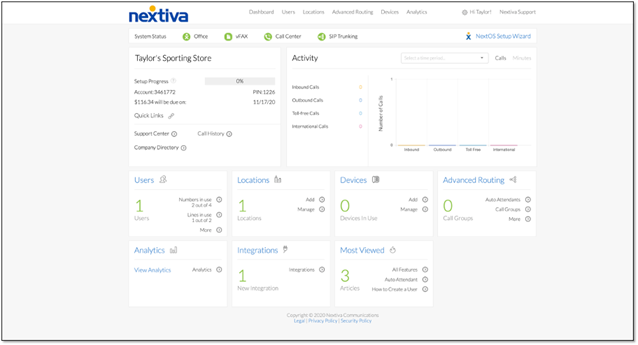
Whether you self-serve or opt for guided onboarding, the experience is straightforward and well-documented. Most changes take effect quickly, so you can iterate as you refine call flows and business rules.
Nextiva Video Meetings
Nextiva’s video conferencing supports HD meetings, team huddles, and client demos as part of its unified communications experience. Host recurring meetings, invite participants by link, and collaborate with screen sharing.
Scheduling integrates with the broader platform, so teams can move from a chat or call into a meeting without bouncing between multiple apps. For sales and success teams, that “one-platform” workflow reduces friction and context switching.
Unlimited calling and video meetings are included on current business phone plans, but it’s still smart to confirm any practical limits, recording needs, and participant requirements before standardizing on one meeting format.
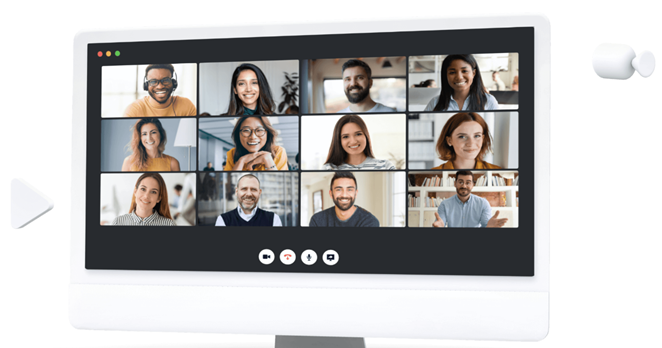
If you rely on video heavily, test your network conditions, recording needs, and calendar integrations during your evaluation period to make sure performance matches your use cases.
Nextiva Analytics
Analytics turn raw activity into decisions. Nextiva’s dashboards can track call volume, answer speed, abandonment, agent performance, and customer trends by user, queue, department, or location.
Reporting gets deeper on higher tiers, with advanced insights, call performance data, and—in contact center configurations—AI-powered transcription, summaries, and sentiment-related analysis that can help teams spot conversations needing extra attention.
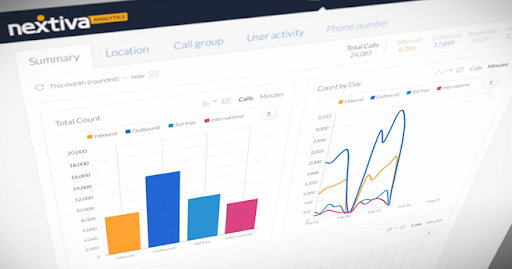
Practical tips: set weekly goals (for example, reduce average speed of answer by 10%), tag calls that result in revenue, and review outliers (very long or short calls) to refine scripts, routing, and training plans.
Nextiva Mobile App
The mobile app brings business calling, texting, and contacts to iOS and Android so teams can work from anywhere. It’s especially useful for hybrid teams and employees who need to stay reachable away from a desk.
Performance is generally solid, though intensive multitasking, weak cellular connections, or older devices can still create hiccups. Keep the app updated, test headsets on the devices your team actually uses, and make sure your mobile policies align with how people take business calls on the go.
Overall, it’s a capable companion to the desktop app and a good fit for distributed teams that want polished call handling and messaging on mobile. Desktop remains the better home base for heavier collaboration and video workflows.

Tip: if you have strict business hours, use status settings and call forwarding rules to separate work and personal time.
Nextiva Automation
Automation helps teams move faster and stay consistent. Nextiva supports things like welcome messages, reminders, follow-up workflows, and AI-assisted handling on select products and add-ons.
Higher-tier and CX-focused products add more advanced options, including AI receptionist capabilities, call summaries, transcription, routing enhancements, and workflow automation that can reduce manual follow-up work.
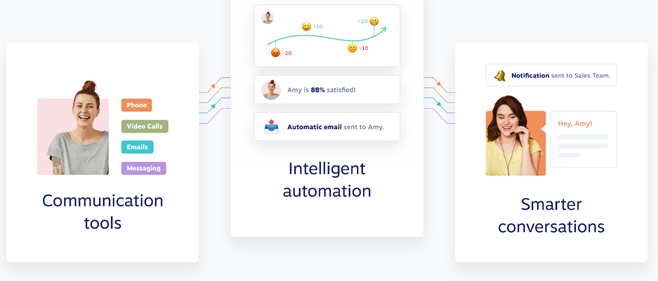
Start with one or two high-impact automations, measure the results, and then expand from there as your team gets comfortable.
Nextiva Collaboration
Nextiva brings voice, video, chat, and contact management together in the NextivaONE app so conversations stay in one place. Teams can use messaging rooms, share files, and move between calls, chats, and meetings without juggling multiple tools.
That unified setup helps reduce tool sprawl and gives teammates more context when they’re handling customers, internal questions, or handoffs between departments.
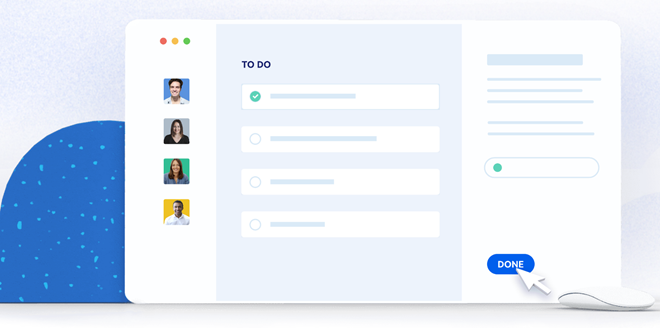
For cross-functional work—sales handing off to success, support escalating to product, or operations coordinating with the front line—keeping conversations and context together can improve accountability and the overall customer experience.
Summary
The virtual phone market has plenty of overlap, but Nextiva separates itself with a thoughtful balance of calling, collaboration, automation, and analytics in a single, easy-to-admin platform. Local, toll-free, and vanity numbers, flexible routing, and fast setup make it a strong fit for SMBs and multi-location teams alike.
If you want one provider for voice, messaging, meetings, and reporting—with dependable support and room to grow into AI-enhanced contact center capabilities—Nextiva is a top contender to evaluate alongside leaders like RingCentral and Ooma.
Pricing remains competitive for small and midsize teams, particularly with annual commitments and multi-user pricing. For many businesses, the feature depth, automation options, and support quality make Nextiva a strong overall value among virtual phone number and cloud phone system providers.