
What’s your company’s growth strategy—specifically, how will you grow revenue this quarter and next year?
Businesses need continuous development to get out of a plateau, but growth doesn’t always mean finding new customers.
I’ve spoken to tons of teams about their marketing plans, and most default to “add more customers.”
Customer acquisition is great—but it’s not always necessary if your primary goal is to increase revenue fast.
Focusing on the customers you already have can save money, boost average order value, and raise lifetime value.
Don’t believe it?
Start by calculating your true customer acquisition cost (CAC).
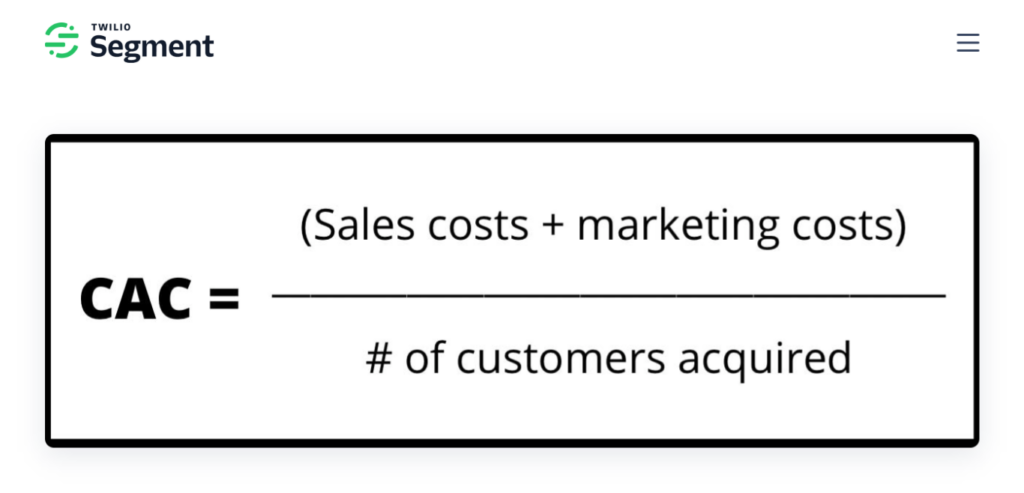
That’s how much it costs you to acquire just one new customer—ads, payroll, tools, everything.
Is the number higher than you expected?
Overspending on acquisition can quietly drain your margins.
Now compare that CAC to what you spend keeping customers active. Across industries, retaining a customer is often 5–7x cheaper than acquiring a new one (and in some categories even more). Source
That single comparison explains why retention is usually the faster path to profitable growth.
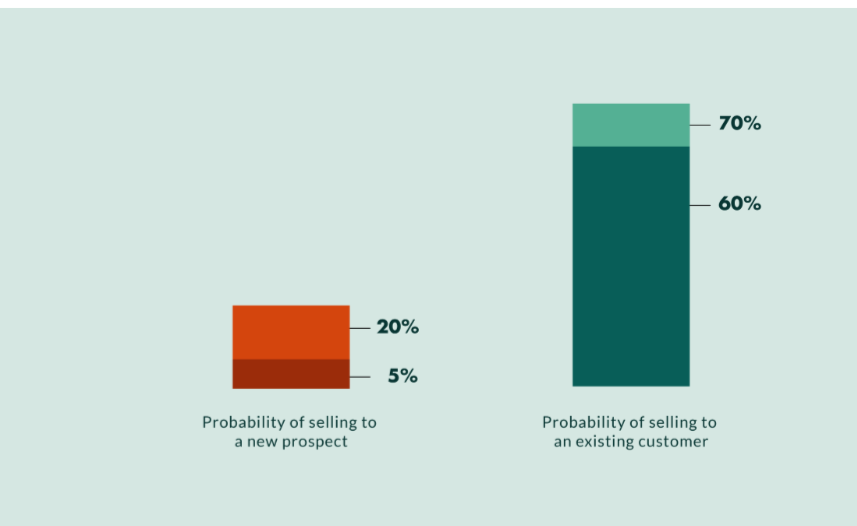
Beyond cost, the odds are on your side: it’s far easier to sell more to someone who already trusts you than to convince a stranger to buy for the first time. Multiple recent summaries still peg the probability of selling to an existing customer around 60–70% vs. 5–20% for a new prospect. Source.
Retention is also simpler operationally.
Existing customers already know your brand and how your product works—no learning curve, fewer doubts, and less friction.
Your job is to keep them engaged and give them clear reasons to return.
If your current growth plan is stalling, test a retention-first strategy.
Shift more effort to customers you already have and you’ll often see revenue lift—without inflating CAC.
Emphasize the customer experience
Start by evaluating your process end to end.
What exact steps must a customer take to discover, purchase, receive, and get support for your product?
Put yourself in their shoes and build a customer journey map covering discovery, research, checkout, onboarding, usage, and support.
This reveals strengths to double down on and friction you need to remove.
Repeat purchases don’t mean your system is perfect.
Some customers keep buying in spite of pain points—they’re hoping you’ll fix them.
Any change that reduces friction improves the experience and retention.
Experience is now a primary driver of loyalty: CX leaders report that quality (88%) and experience (85%) drive loyalty more than price. Source.
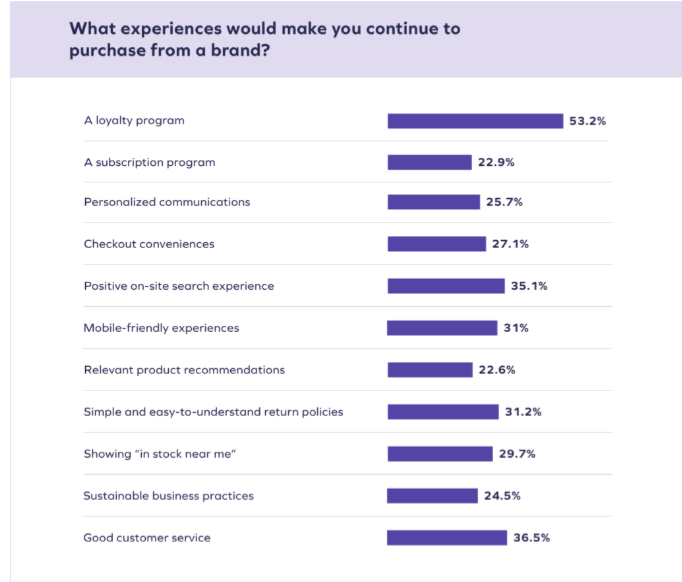
And well-designed loyalty programs measurably nudge repeat purchases: recent surveys show 80%+ of consumers say a loyalty program makes them more likely to buy again. Source.
Pair responsive customer service with meaningful benefits and you’ll see more repeat orders.
Not sure what to fix first? Most companies aren’t—until they ask.
If journey mapping alone isn’t enough, go straight to the source.
Create short surveys at key moments (post-purchase, post-support).
Run quick customer interviews.
Give customers an easy, safe way to share what’s frustrating.
Even complaints are good for your business—they spotlight problems you can fix right away.
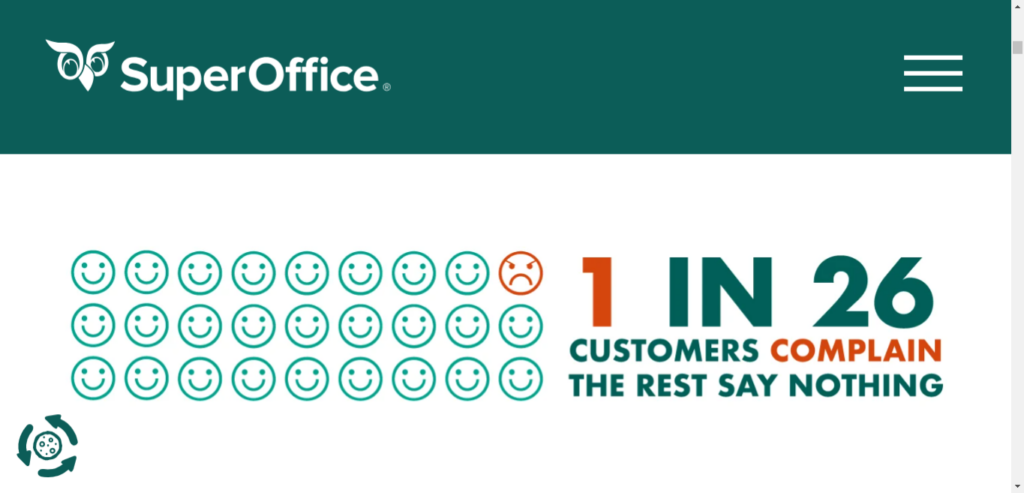
Most unhappy customers never complain—they simply leave. Treat silence as a warning sign, not approval.
If one customer reports an issue, others likely feel the same.
Prioritize and act on feedback. Close the loop by telling customers what you changed.
Here are practical improvements that move the needle:
- Simplify checkout (fewer fields, guest checkout, wallets like Apple Pay/Google Pay)
- Personalize products, content, and recommendations based on behavior
- Optimize for mobile speed and accessibility (text size, contrast, tap targets)
- Offer clear, time-bound discounts or loyalty rewards instead of blanket coupons
- Extend customer service hours and add channels (chat, SMS, social DMs)
- Improve post-purchase: faster shipping, proactive updates, easy returns
- Add a self-serve help center and order tracking to cut support wait times
Don’t feel pressured to fix everything at once.
Pick one high-impact friction point, ship a fix, measure the result, then move to the next.
Enhance customer loyalty
Loyalty—not just habit—is the foundation of retention.
Repeat purchases don’t automatically equal loyalty.
Sometimes you’re simply the most convenient option—until a closer or cheaper alternative appears.
Here’s a simple example.
Suppose you own a local coffee shop.
A customer stops in almost every morning for an espresso.
They prefer local shops over national chains and you’re the closest independent spot.
They’re fine with a 10-minute drive to support you.
Then a new independent café opens two minutes from their house.
A loyal customer keeps driving to your place. A habitual customer switches.
Industry dynamics matter too.
Some categories are retention-dependent (coffee); others are long-cycle (cars) and skew toward acquisition.
Americans are keeping vehicles longer than ever—the average vehicle age reached 12.8 years in 2025. Auto dealers must nurture loyalty with ongoing service, not just one-off sales. Source.
So, what reliably creates loyalty?
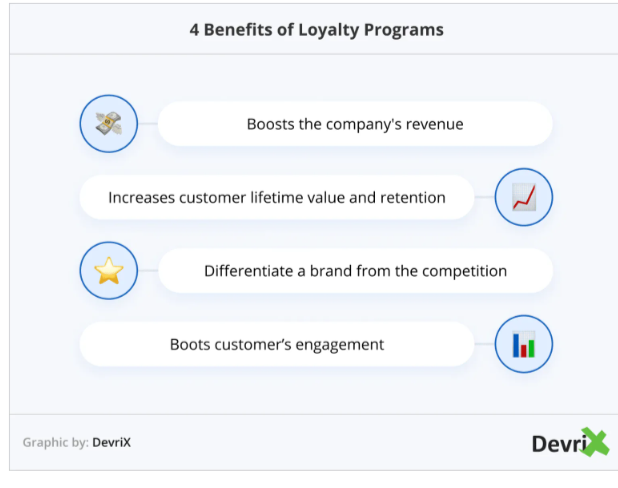
For ecommerce and subscriptions, combine a value-rich loyalty program (tiers, points, early access, referrals) with strong email and social engagement.
Use experiential rewards (surprise gifts, VIP support, community access) so loyalty isn’t only about discounts.
I’ll dig into email and social next.
Master your email marketing strategy
Keep it simple and useful.
Email is straightforward, measurable, and still one of the highest-ROI channels when messages deliver clear value—recent benchmarks show strong returns remain the norm.
Every send should have a customer-first purpose. Common, effective reasons to email include:
- Product education and onboarding tips after a first purchase
- New product drops, feature releases, or meaningful site updates
- Limited-time discounts, bundles, or loyalty point boosters
- Abandoned cart and browse-abandon reminders (timed and capped)
- Order and shipping updates, plus delivery confirmation
- Replenishment and subscription renewal nudges (based on usage windows)
- Surveys, NPS/CSAT check-ins, and review requests
- Win-back messages for lapsed customers (milestones, “we miss you,” comeback offers)
Don’t spam your list.
Too many emails cause fatigue and unsubscribes. Let engagement and recency control frequency.
Personalize thoughtfully—subject lines, product recommendations, and timing.
Including a subscriber’s first name and tailoring content to their behavior can materially lift open and click rates.
Also, mind deliverability: authenticate your domain (SPF/DKIM/DMARC), include one-click unsubscribe, and keep complaint rates low so messages actually reach the inbox.
Not every current customer is on your list.
Make it easy and appealing for existing customers to subscribe—especially right after they purchase.
Offer a compelling incentive (loyalty points, early access, or a one-time discount) in your on-site forms and transactional emails.
See how Perry Ellis uses a clear value proposition on their signup prompt.
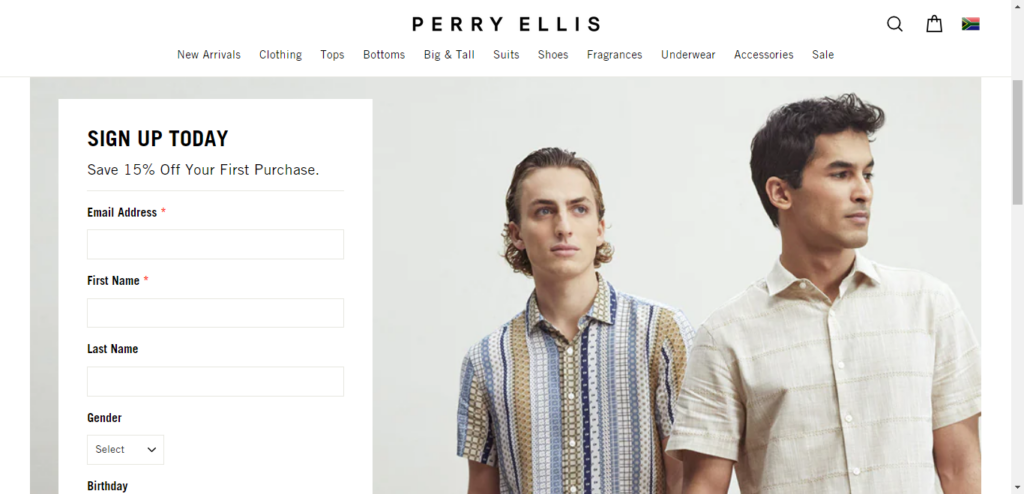
You can apply the same approach.
For ecommerce checkouts, add a clear opt-in on the confirmation page and include an invitation inside order emails—no extra send required.
Sweeten the deal with an exclusive offer or loyalty bonus.
When writing, use a warm, human voice—automated doesn’t have to feel robotic.
Simple personalization goes a long way.
Which opener feels better?
“Dear valued customer,”
or
“Happy Friday, Susan!”
The second is friendlier and more likely to get opened.
Use email to re-engage customers who have gone quiet—your “we miss you” flow can revive a surprising percentage of lapsed buyers.
Reaching out after six months of inactivity with a useful incentive or product recommendation often brings them back.
Here’s a classic example from St. Jude Children’s Research Hospital—the same approach works for brands, not just nonprofits.
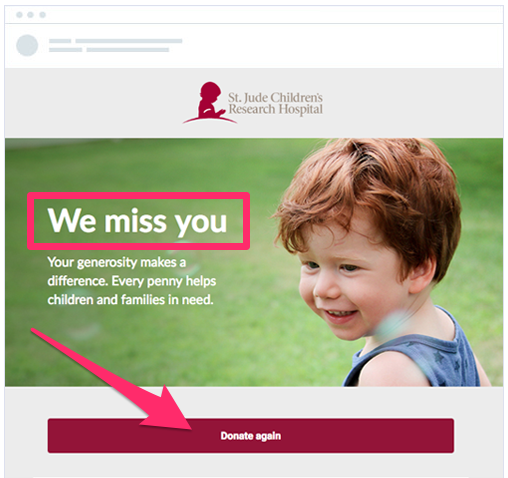
Personal, timely, and valuable beats generic every time.
Embrace social media to connect with your customers
If you want strong retention, social can’t be an afterthought.
People don’t use platforms only to post trip photos—they also use them to research brands and get help.
Consumers increasingly research products on social—global usage for product research rose to ~32% in 2025 (up from 27% in 2023). Source.
Meeting customers where they already spend time makes it easier for them to reach you.
This ties directly back to customer experience.
If support is only available by phone from 9–5 on weekdays, satisfaction will suffer.
Be active on:
- X (formerly Twitter)
- YouTube
- TikTok
Give customers options and let them choose what’s most convenient.
If you can increase engagement with current customers, revenue will follow.
Live video streaming is one of the fastest ways to do it—and “liveness” can keep audiences watching far longer than pre-recorded content. Some studies report 10–20× longer engagement for content with high liveness.
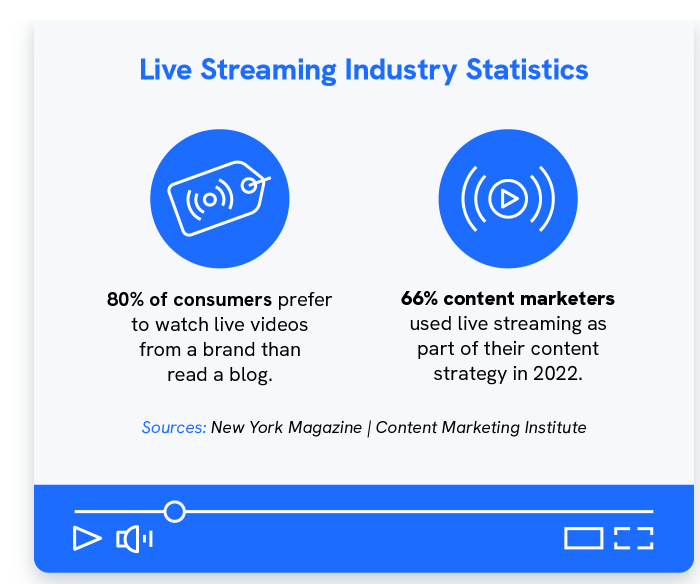
Consumers love live content—it feels dynamic and human.
People often watch live streams far longer than pre-recorded videos, which deepens engagement.
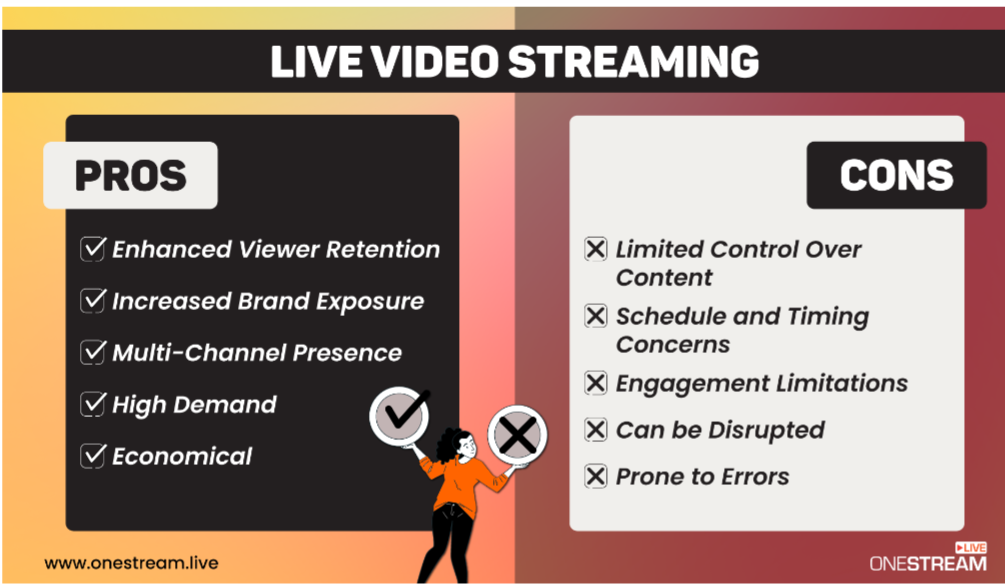
Treat your stream like a show with a consistent schedule and clear topic.
Don’t go live at random times.
Pick a weekly slot so followers know when to tune in.
Regular viewers become a community—which compounds loyalty over time.
Many marketers use live video to build more authentic, two-way interactions with their best customers.
To raise engagement on social, keep it simple:
- Respond to comments and DMs—acknowledge people by name
- Post consistently (and repurpose your best posts into Stories/Reels/Shorts)
- Answer support questions fast; set internal SLAs for response time
- Run follower-only drops, giveaways, or loyalty point multipliers
Exclusive perks work especially well when your goal is retention.
Everyone loves a freebie—or a chance to win one.
Learn how to cross-sell and upsell
You can grow revenue per customer by encouraging higher-value purchases without adding friction.
Here’s the difference.
Upselling nudges customers toward a higher-end version of what they’re buying.
Cross-selling suggests items that complement the original purchase.
Both strategies work in B2C and B2B—and for physical products, services, and subscriptions.
Examples:
- SaaS: move monthly users to annual plans; offer a Pro tier with advanced features
- Retail: recommend “frequently bought together” bundles and post-purchase add-ons
- Services: package maintenance plans; offer home + auto if you’re in insurance
- Checkout: use order bumps and free-shipping thresholds to lift average order value
The key is relevance—recommendations should feel helpful, not pushy.
As customers buy more from you, they become more emotionally invested—loyalty naturally follows.
Conclusion
New customers are exciting, but they’re not your only growth lever.
Start with retention.
It’s usually faster and far less expensive to improve than acquisition.
Make customer experience your backbone.
Simplify the journey, remove friction, and invest in the channels customers already use.
If you’re unsure where to begin, ask your customers—survey, interview, and act on what you learn.
Grow loyalty intentionally.
Remember: repeat customers aren’t automatically loyal. Loyalty comes from consistent value, thoughtful rewards, and great support.
My top two retention levers remain:
- social media
Use them across the entire customer life cycle to lift repeat purchase rate, AOV, and LTV:
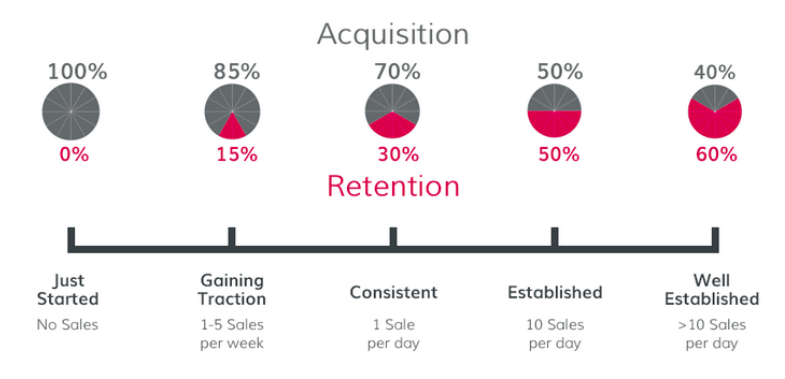
Personalize email flows and make each send genuinely useful.
Deliver value in every message and invite customers to opt in after purchase.
On social, aim for real engagement—not just reach—so relationships deepen over time.
Live streams and consistent replies build trust quickly.
You can also grow revenue per order by helping customers choose the right higher-value option and by recommending complementary products.
That’s the power of smart cross-sell and upsell.
Feature your most profitable products, suggest relevant add-ons, and keep the experience seamless.
Follow these steps and you’ll grow revenue—without having to rely solely on new customers.